What’s new in the Utilities 5.5 release
The Utilities 5.5 release brings a set of updates across both 3-GIS | MIMS and 3-GIS | Productivity, spanning field workflows and GIS-based network...


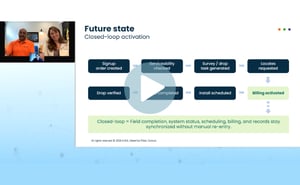
Faster installs depend on more than speed. Watch how connected orders, field work, and network records keeps Waterloo Fiber moving from request to activation.
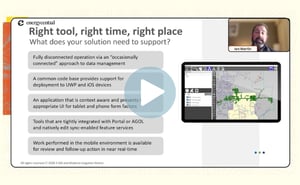
Inspection findings should not sit in reports. Watch how Modesto Irrigation District moves field findings into repair assignments teams can act on.
1 min read
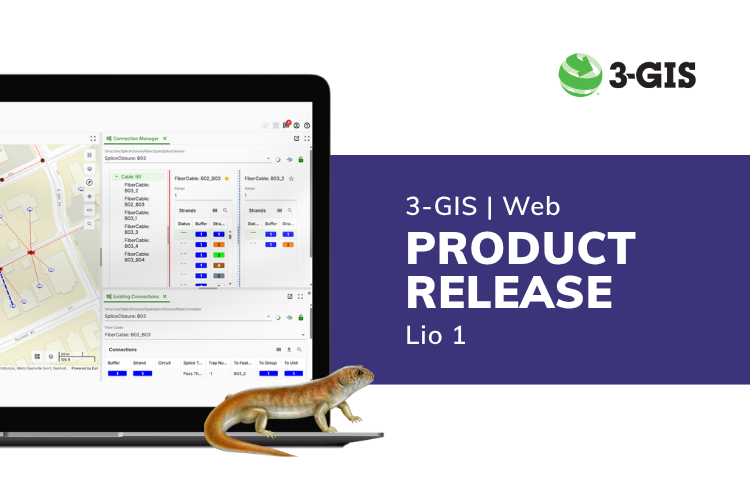
The latest telecom release of 3-GIS | Web, Lio 1, is here, bringing updates across the interface, equipment modeling, and day-to-day workflows.
From a redesigned interface to expanded equipment modeling and workflow improvements, Lio 1 focuses on making tasks simpler and more consistent across the network.
Here are a few highlights.
One of the most visible updates is a refreshed user interface designed to make everyday workflows easier. Among these updates is the highly anticipated multi-screen support. While it’s just one part of this release, it has a significant impact on how users interact with the system, allowing various tools to be popped out and dragged to a secondary screen while creating more space to work directly within the map.
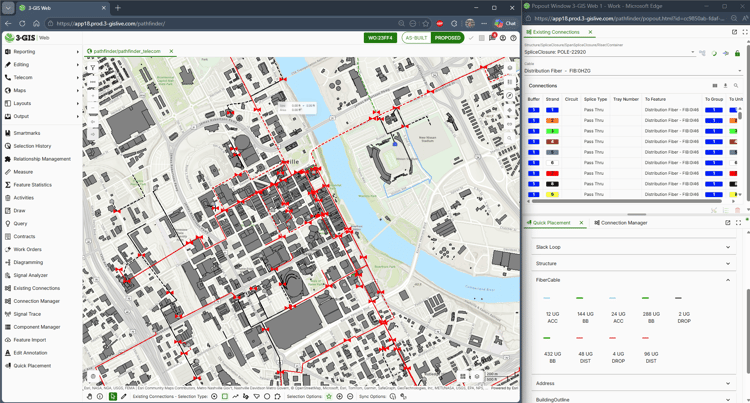 Using the pop-out window functionality in 3-GIS | Web
As networks evolve, so too does the need to model them in greater detail. This release introduces enhancements to equipment modeling that give teams more flexibility in how devices are structured and managed. This includes better support for pass-through equipment, like splitters and patch panels, along with more consistent workflows across fiber and copper when modeling complex head end equipment models. The goal is to make it easier to work across different parts of the network without changing how you approach each one.
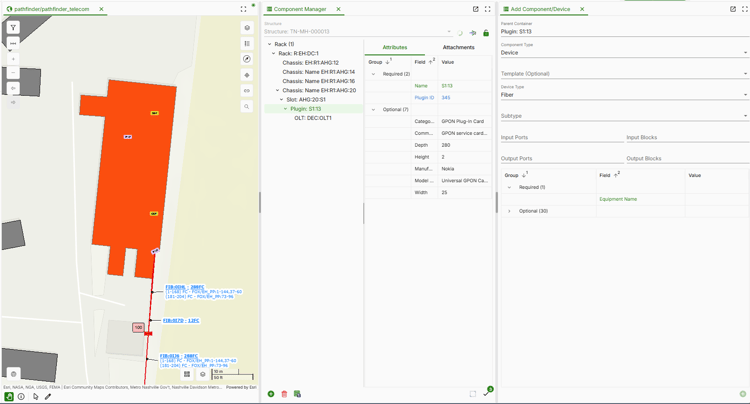 Managing equipment components in 3-GIS | Web Lio 1
Many of the updates in Lio 1 focus on the details that shape daily tasks:
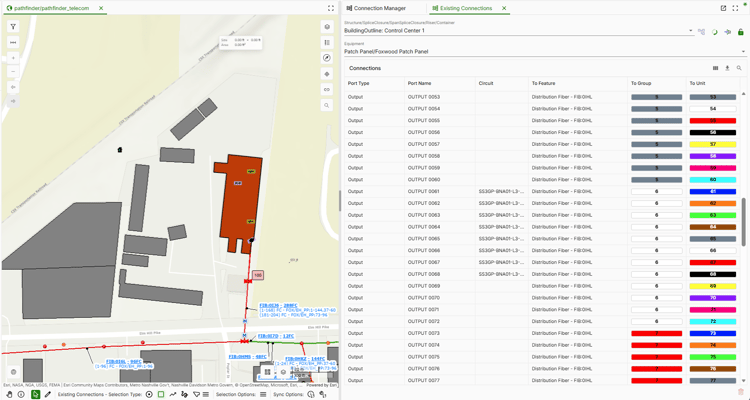 Reviewing existing connections in the Lio 1 release of 3-GIS | Web
Alongside these updates, we’re continuing to expand our online courses via the 3-GIS learning management system (LMS), helping teams stay current, quickly adopt new functionality, and get the most value out of the system.
If you have questions about these updates or want more information about 3-GIS | Web, feel free to reach out. Current customers can also access the Lio 1 release notes for a more detailed breakdown.
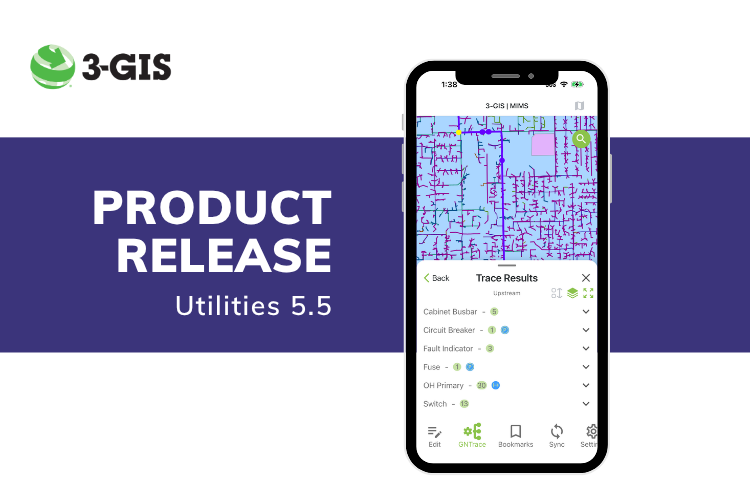
The Utilities 5.5 release brings a set of updates across both 3-GIS | MIMS and 3-GIS | Productivity, spanning field workflows and GIS-based network...
3-GIS works with telecommunications and engineering companies worldwide to help them plan, design, and manage fiber networks. Clients range from...

When Esri introduced the Telecom Domain Network (TDN), it marked an important step forward for modeling communication networks within the ArcGIS...