 Ashlee Hornbuckle
What’s new in the Lio 1 release of 3-GIS | Web
The latest telecom release of 3-GIS | Web, Lio 1, is here, bringing updates across the interface, equipment modeling, and day-to-day workflows. From...


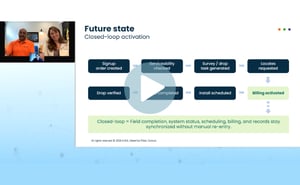
Faster installs depend on more than speed. Watch how connected orders, field work, and network records keeps Waterloo Fiber moving from request to activation.
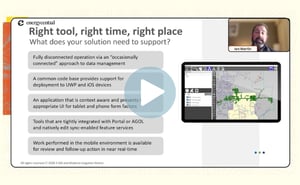
Inspection findings should not sit in reports. Watch how Modesto Irrigation District moves field findings into repair assignments teams can act on.
The team has been hard at work adding new functionality, squashing bugs, and focusing on continued ease of use. Building on the foundation established in Lio 1, the Lio 2 release of the 3-GIS telecom product suite introduces support for Esri 12.1, a revamped Knowledge Base, and enhancements designed to make network data easier to capture, analyze, and act on across field and office workflows.
 Accurate network records depend on what happens in the field. Lio 2 introduces capabilities designed to make that information more complete from the moment it’s collected.
After placing a feature, users can now populate both required and optional attributes before moving to the next step. Record Templates can also populate commonly used values automatically, reducing repetitive entry while supporting more consistent data collection across office and field teams.
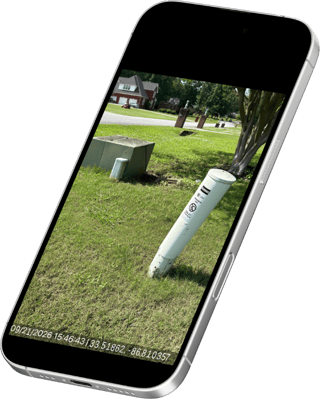
Photo capture gets an upgrade too. Administrators can enable photo watermarks that add the date, time, and GPS coordinates directly to images captured through Create Feature and Inspection workflows. Those details remain visible when the attachments are later recalled in 3-GIS | Web.
Lio 2 expands tracing capabilities across a wider range of fiber network scenarios.
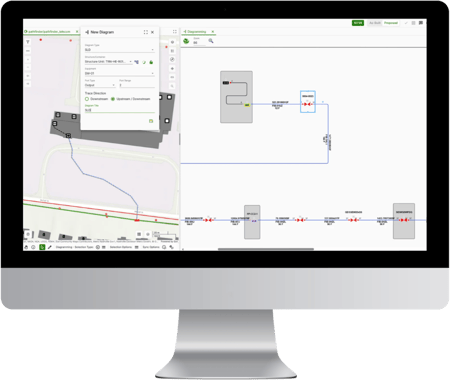 3-GIS | Diagramming: Make networks easier to visualize
Support for complex equipment has been expanded so structures, containers, structure units, and devices can be represented more consistently across diagram types within 3-GIS | Diagramming. The release also extends linear configuration support to both fiber and tie cables, giving users more flexibility in how network relationships are represented.
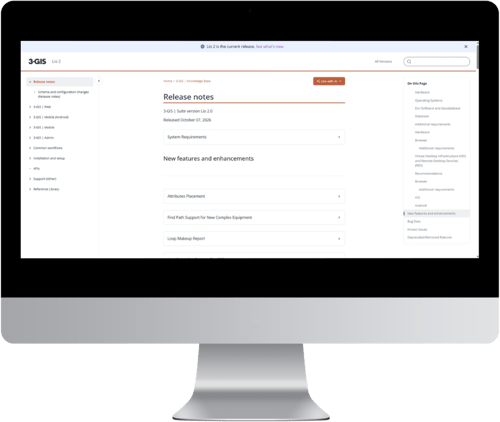
The 3-GIS Knowledge Base (aka the KB) has been refreshed with a new look and updated experience, making it easier to navigate product documentation and resources. While it may look different, access stays the same. Users can continue using the same URL and their current login credentials.
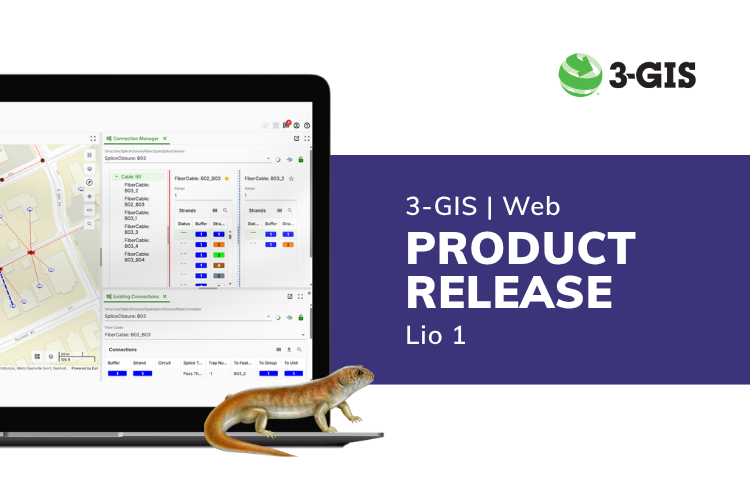
The Lio 1 release revamped key parts of the interface, streamlined common interactions, and made it easier to move through the application, all while keeping workflows familiar for power users. If you haven’t explored those updates yet, be sure to catch up on what changed in Lio 1.
No matter what stage of your network lifecycle, Lio 2 introduces new capabilities and refinements that make network data easier to capture, understand, and use across the organization. If you’re an existing customer, check out the release notes for details. New to 3-GIS? Contact us, and let’s discuss how our solutions can help you move with greater agility and accuracy.
The latest telecom release of 3-GIS | Web, Lio 1, is here, bringing updates across the interface, equipment modeling, and day-to-day workflows. From...

When Esri introduced the Telecom Domain Network (TDN), it marked an important step forward for modeling communication networks within the ArcGIS...

 Ashlee Hornbuckle : Mar 21, 2025, 4:21:12 PM
Fiber networks have transformed how we live, work, and connect. They power everything from streaming our favorite shows to enabling the smart cities...