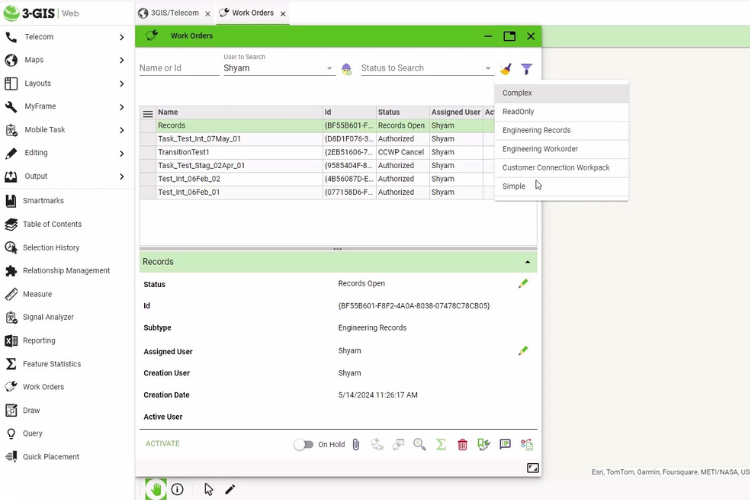
Work order processing: Ericsson Network Engineer vs. 3-GIS | Web
As Ericsson Network Engineer (ENE) reaches its end of life, it's crucial for telecom companies to transition to a more advanced, future-proof...

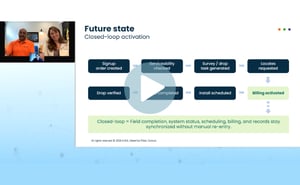
Faster installs depend on more than speed. Watch how connected orders, field work, and network records keeps Waterloo Fiber moving from request to activation.
Inspection findings should not sit in reports. Watch how Modesto Irrigation District moves field findings into repair assignments teams can act on.
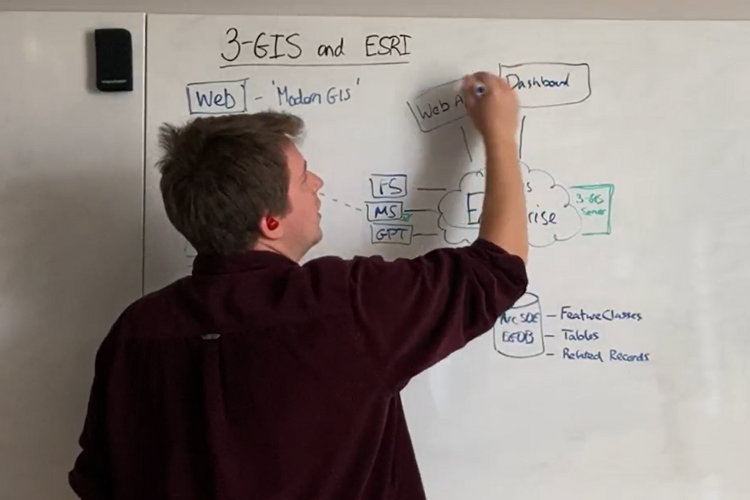
One question we get asked a lot of centres on how Esri and 3-GIS technologies combine to provide a comprehensive, GIS-based system of record. In this post, we’ll explain the collaborative relationship between Esri and 3-GIS and the respective roles they play in telecom network management.
To understand how Esri and 3-GIS integrate, firstly let's dive into the architecture of the combined solution:
Now we know the components of the integrated system, but how is information and data shared between them?
Since the data used by 3-GIS | Web is stored in standard feature classes and tables, it remains accessible to other Esri applications. For instance, users can create dashboards, web apps, and field apps using ArcGIS Enterprise's standard tools. These applications can then access the data, providing a unified view of the network.
This integration extends beyond viewing data, allowing the ability to edit and manage it as well. The business logic embedded in the 3-GIS server ensures that complex operations, such as adding a fibre cable with multiple fibres, are handled correctly. This logic creates necessary records and maintains the relationships between different network elements.
For users, the Esri and 3-GIS integration translates into several practical benefits:
The integration of Esri and 3-GIS equips network providers with a unified system that streamlines operations and enhances efficiency. Designed to meet the dynamic needs of the telecom industry, this powerful solution ensures you have the tools needed to fully understand and grow your network. Check out the below video for a whiteboard session further explaining the integration. If you have further questions or would like to discuss in greater detail, feel free to reach out to us.
As Ericsson Network Engineer (ENE) reaches its end of life, it's crucial for telecom companies to transition to a more advanced, future-proof...

Valuable fiber assets often sit unused while providers build costly new infrastructure alongside them. Why? Because many providers simply can't see...
Businesses globally are striving to reduce their ecological footprint and optimize resources, and telecom network operators are no exception.1...