Network modeling: Ericsson Network Engineer vs. 3-GIS | Web
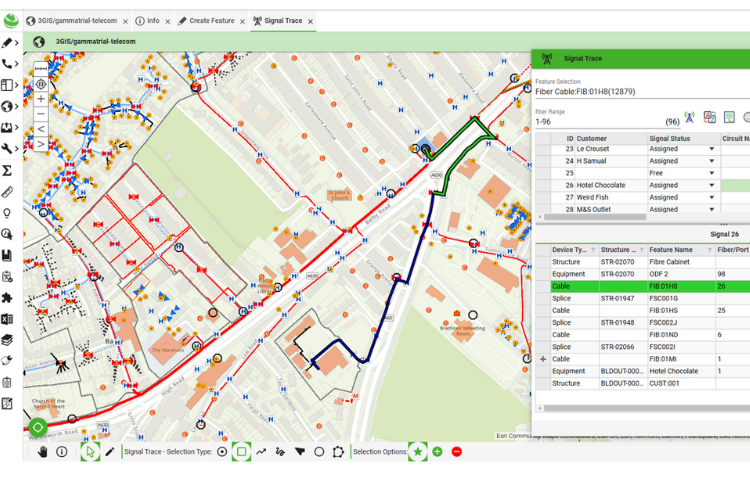
In telecommunications, the modeling of network elements is essential for efficient network design and management. Two prominent tools used for this...

Faster installs depend on more than speed. Watch how connected orders, field work, and network records keeps Waterloo Fiber moving from request to activation.
Inspection findings should not sit in reports. Watch how Modesto Irrigation District moves field findings into repair assignments teams can act on.
2 min read
Shyam Devireddy : Updated on July 9, 2025
As Ericsson Network Engineer (ENE) reaches its end of life, it's crucial for telecom companies to transition to a more advanced, future-proof solution. In this post, we’ll compare the work order management functionalities of Ericsson Network Engineer and 3-GIS | Web to aid in the transition between platforms—highlighting the similarities and differences in handling work orders, from planning and design to construction and finalization.
In Ericsson Network Engineer, work order management is a structured process that follows a well-defined workflow. The interface displays various types of work orders and their current statuses, allowing engineers to start, transition, and complete tasks efficiently. It operates as such:
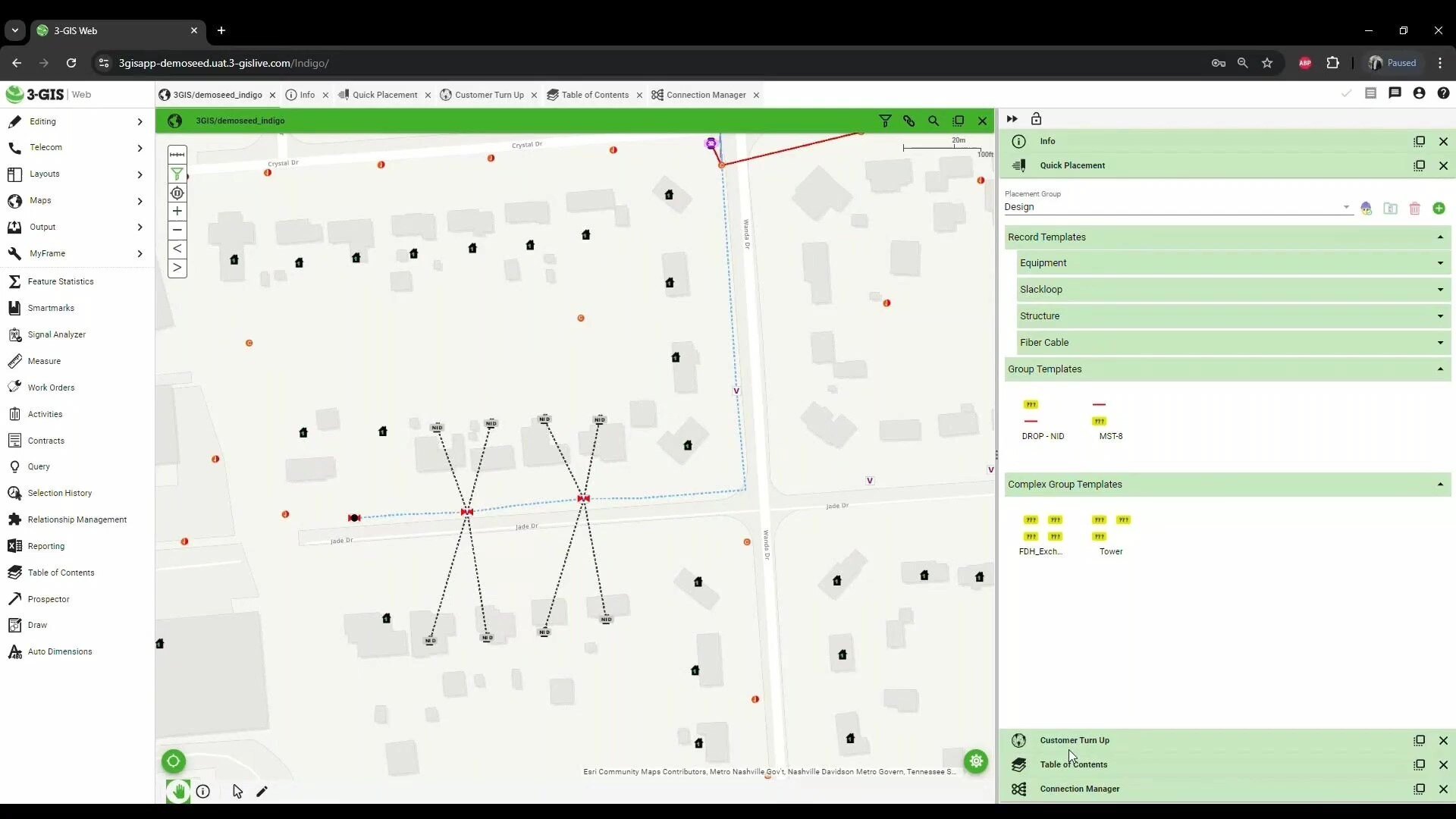
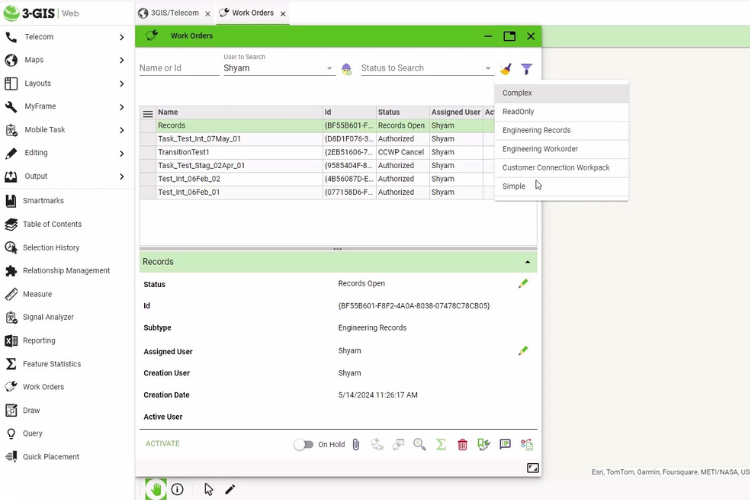
Transitioning to 3-GIS introduces 3-GIS | Web, a web-based client that enhances data accessibility and user flexibility, and 3-GIS | Admin, a web-based, administrative application (equivalent to a toolbox in Ericsson Network Engineer) that allows graphical management of records and seamless rules configuration. Here's how work order management is realized with 3-GIS:
While both systems aim to streamline work order management, there are notable differences and similarities:
Both Ericsson Network Engineer and 3-GIS | Web offer robust work order management functionalities, catering to the needs of network management professionals. While Ericsson Network Engineer provides a foundation with its thick client interface, 3-GIS enhances the user experience with its web-based, flexible, and accessible platform. Organizations transitioning to 3-GIS can expect a seamless adaptation of their workflows with the added benefits of modern technology, scalability, and user-friendly interfaces.
Check out the below video for a detailed walkthrough.
In telecommunications, the modeling of network elements is essential for efficient network design and management. Two prominent tools used for this...
The stakes are high for fiber service providers: contracts come with strict service-level agreements (SLAs), customer expectations around reliability...
The latest telecom release of 3-GIS | Web, Lio 1, is here, bringing updates across the interface, equipment modeling, and day-to-day workflows. From...