Network modeling: Ericsson Network Engineer vs. 3-GIS | Web
In telecommunications, the modeling of network elements is essential for efficient network design and management. Two prominent tools used for this...


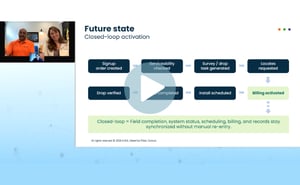
Faster installs depend on more than speed. Watch how connected orders, field work, and network records keeps Waterloo Fiber moving from request to activation.
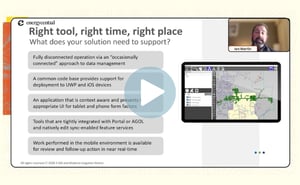
Inspection findings should not sit in reports. Watch how Modesto Irrigation District moves field findings into repair assignments teams can act on.
2 min read
Telecom companies use the data about their physical network for asset management such as network utilization, availability, and risk mitigation. The nature of fiber networks, where cables of different count strands can be connected, and different services are delivered on different wavelengths has made network management systems built for copper and coax networks inadequate. So what is needed now for you equip your organization to make better, more informed decisions?
The answer is two-fold: having a robust data model and a geospatial representation of your network.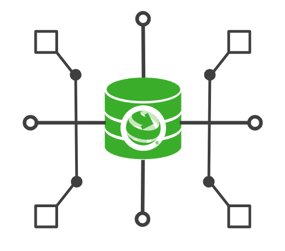
Data model
In our last post we briefly touched on the idea of a data model. A robust data model to support local conditions and construction requirements is key to successfully enabling engineering telecom networks with automation and geospatial technologies. We see this more as engineering and construction firms adopt a rapid delivery model that can be easily delivered to the end customer. Service providers expect real-time access to information, better reporting, consistent delivery, accurate forecasting and ultimately faster turnup to increase revenue.
In order to meet these expectations a more holistic approach to enabling the life-of-the-network has to be taken to include tools and enable processes such as: automated routing, informed designs, mobile access, multiple network views, and more -- all of which are stitched together by leveraging a cohesive data model capable of supporting the customer’s system of record. These features and capabilities demand a more developed system than is currently offered by copper and power network management tools.
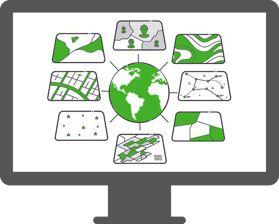
Geospatial system
Having an advanced data model, though important, is not the only fundamental need for making better business decisions. Modeling in a geospatial system is an equally as critical element to supporting more informed business decisions. Accessibility to geospatial information about your network provides the ability to track and manage each component equipping you with and allowing you to leverage the necessary network data to make the most comprehensive and informed decisions.
Knowing your network in such a detailed manner means that you can not only plan, design, and build your network promptly by implementing more automated workflows powered by GIS technology, but also enables you to easily answer questions about your network availability, utilization, outages, and more. Possessing information about availability allows you to identify new market opportunities, light up dark fiber, turn up new customers, and realize revenue faster. Your field crew is more empowered to rapidly respond to and restore outages because of the detailed location data provided by geospatial systems. Extending your network becomes easier because you know where capacity is available as well.
Armed with tools like a robust data model which enables automation, multiple network views and more, along with a detailed geospatial system which provides strand-level location data, you are readied with network information to drive your business decisions and experience a greater return on investment.
Want to continue discovering more about data models, GIS, and making more informed decisions? Check out the webinar we did with Telecoms.com to hear from the experts. Click here to watch the recording.
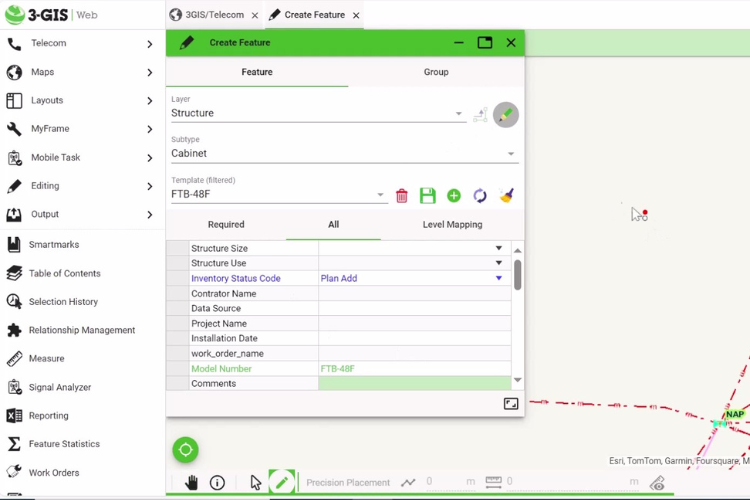
In telecommunications, the modeling of network elements is essential for efficient network design and management. Two prominent tools used for this...
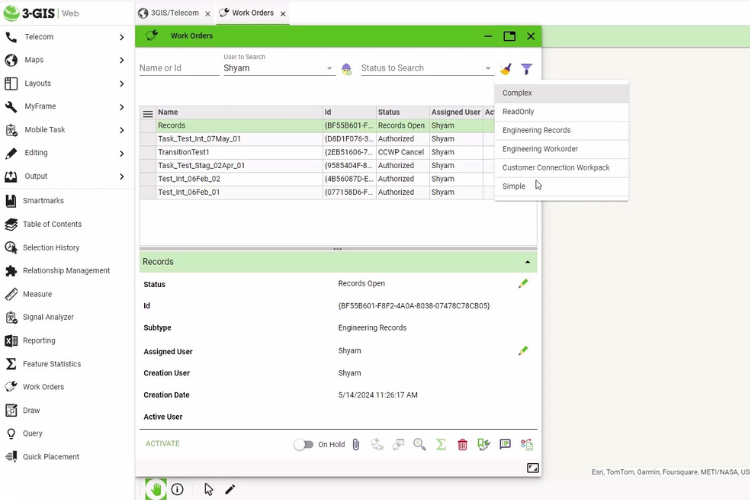
As Ericsson Network Engineer (ENE) reaches its end of life, it's crucial for telecom companies to transition to a more advanced, future-proof...

Fiber networks are the future for utility companies and co-ops to bring new services to their market. Getting these networks deployed with accurate...